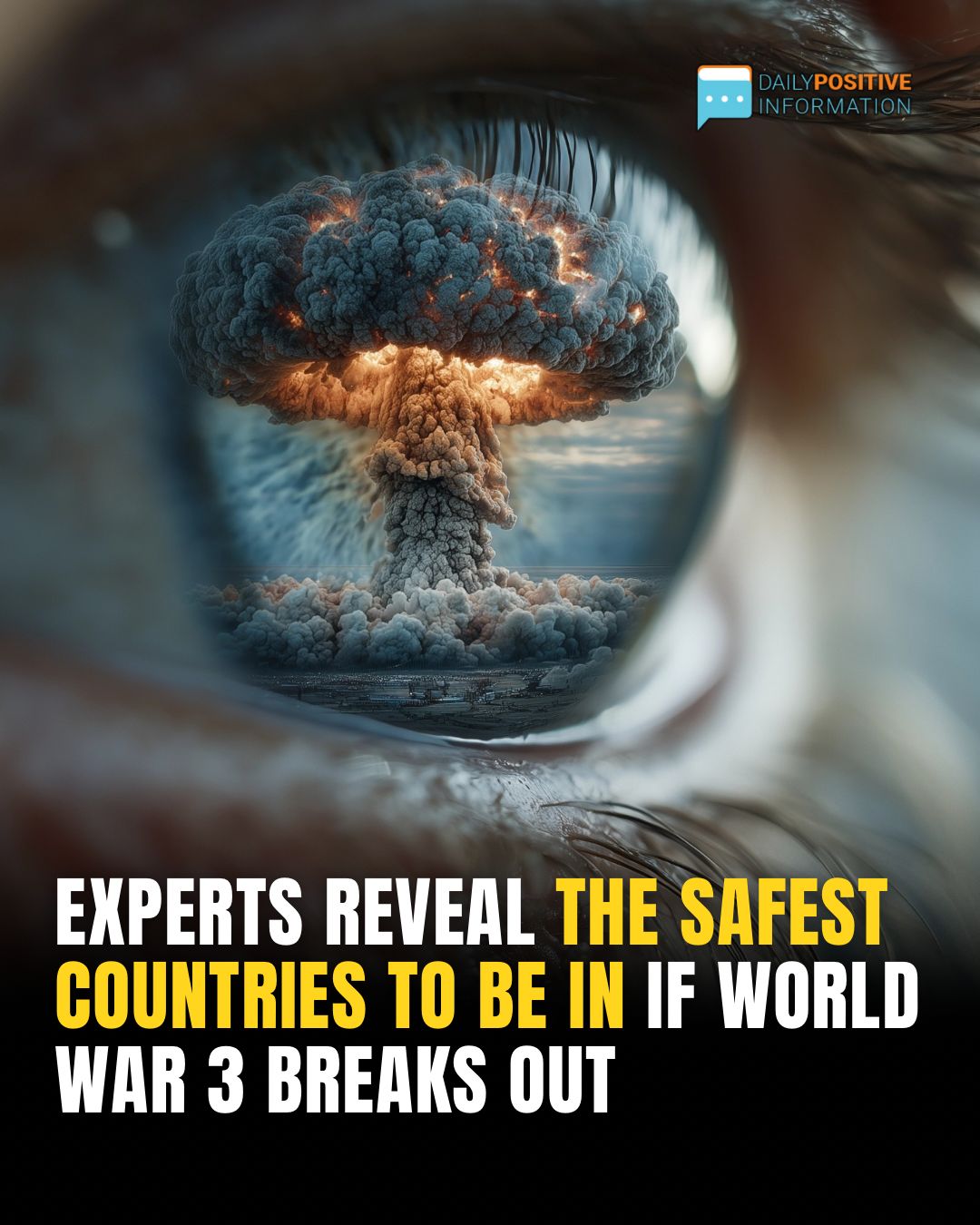
The Safest Countries To Be In If World War 3 Begins
World War 3 would introduce unparalleled global threats that extend beyond conventional warfare, encompassing cyber warfare, economic coercion, space-based armaments, and long-range missile attacks. While no nation would be entirely shielded from these perils, certain countries are notably more secure due to their geographical advantages, policies of neutrality, and historical avoidance of conflicts. For instance, Switzerland has a well-established tradition of neutrality, supported by its mountainous landscape and comprehensive fallout shelter systems, rendering it a challenging target.
New Zealand, with its isolated position in the South Pacific, robust agricultural sector, and energy self-sufficiency, is also regarded as one of the safest nations. Likewise, Bhutan benefits from its Himalayan seclusion and a non-interventionist stance, along with a distinctive philosophy that values happiness over militaristic pursuits, which further reduces its risk. Iceland is recognized for its peaceful image and absence of military forces, although its affiliation with NATO introduces a degree of caution. Costa Rica is notable for having disbanded its military many years ago, channeling resources into education and healthcare, thereby nurturing a stable and peaceful society.
Conversely, Finland and Sweden have moved away from their neutral positions by joining NATO following Russia’s invasion of Ukraine, which has heightened their susceptibility due to their geographical closeness to Russia and the possibility of being drawn into NATO-related conflicts. Other nations, such as Ireland and Singapore, uphold political neutrality or strategic non-alignment, providing some level of protection, yet they still face risks from cyber and economic threats. Argentina and Chile, being remote and peaceful, are also viewed as relatively safe from direct military confrontations, although they are not immune to the wider repercussions of war.
The primary elements that characterize a secure nation during a global conflict encompass geographic isolation, a neutral stance in foreign affairs, non-alignment with military alliances, and a position of strategic insignificance on the international stage. Secondary factors consist of self-sufficiency in food production and internal social stability. Nations that have opted for peaceful and restrained national policies instead of militarism serve as a model for resilience in the context of contemporary global warfare.
In conclusion, peace is not a passive state but rather an active decision made by a nation, fostered through diplomacy, neutrality, and readiness. For families and individuals contemplating where to reside or evacuate in the event of a potential World War 3, countries such as Switzerland, New Zealand, and Costa Rica present a beacon of hope that peace can be preserved even during tumultuous periods. Their enduring dedication to neutrality and stability may offer the most favorable opportunity for safety amid global disorder.